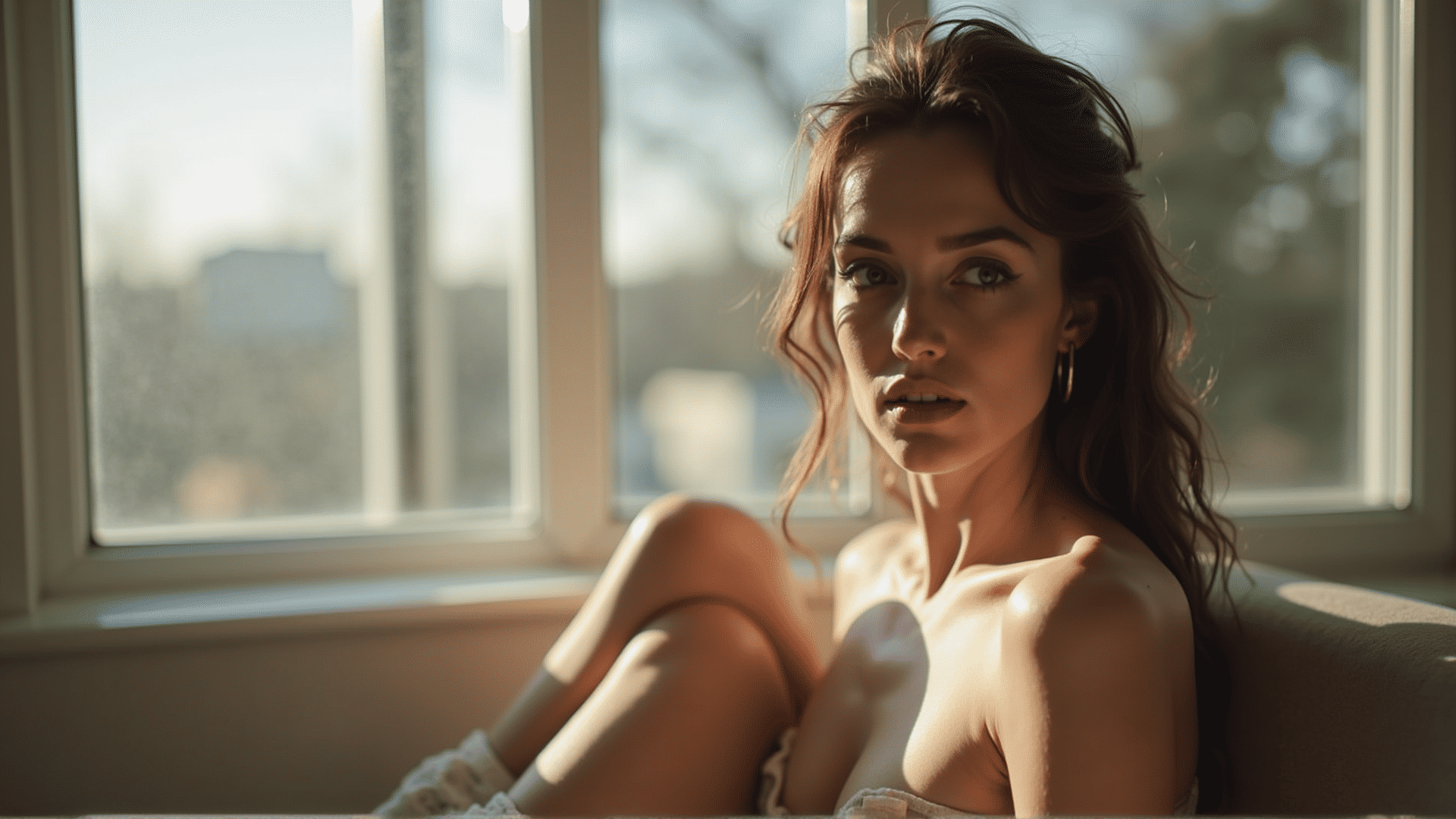
Capturing the perfect photograph often hinges on one crucial element: lighting. Lighting can dramatically alter the mood, depth, and focus of your photos, whether you’re shooting portraits, landscapes, or still life. Understanding how to use both natural and artificial light effectively can enhance your photography skills significantly.
Natural Light
Natural light, often softer and more dynamic than artificial lighting, can give your photos a warm and authentic feel. The time of day greatly influences the quality of natural light. The golden hour, occurring shortly after sunrise or before sunset, is considered the ideal time for photography. During this time, the light is soft and warm, casting long, gentle shadows that add depth and texture to your subject.
Tips for Using Natural Light:
-
Golden Hour: Take advantage of the golden hour for gently illuminated portraits and landscapes. The low position of the sun creates a flattering effect, making skin tones glow.
-
Diffusion: On bright, sunny days, direct sunlight can be harsh and unflattering. Use natural diffusers like windows or light curtains to soften the light.
-
Cloud Cover: Overcast days provide soft, even lighting, reducing harsh shadows and highlights. This can be ideal for vibrant color capture and detailed textures.
Artificial Light
Artificial lighting allows you more control over the look and feel of your photos. It comes in a variety of forms including LED lights, flash, and studio lighting. Each type of artificial light can help you create different effects, from dramatic high-contrast images to evenly lit soft portraits.
Tips for Using Artificial Light:
-
Softboxes and Umbrellas: These are essential tools for diffusing light, mimicking the effect of natural light. They spread light evenly, minimizing harsh lines and creating softer shadows.
-
Positioning: The direction of your light source significantly impacts the photo. Experiment with different positions—side lighting for drama, front lighting for reducing shadows, and backlighting for silhouettes and highlighting translucent objects.
-
Color Temperature: Adjusting the color temperature of your artificial lighting can simulate different times of day or moods. Warmer tones evoke a sunrise or sunset feel, while cooler tones mimic daylight.
Combining Light Sources
To create stunning photographs, you might find occasions to combine natural and artificial lighting. By mastering both sources, you can offset the drawbacks of each and create a balanced, rich visual result.
Balancing Techniques:
-
Fill Light: Use artificial light as a fill light to supplement natural lighting. This is particularly useful in scenarios where natural light creates strong shadows.
-
Ambient Mixing: Carefully control the exposure settings on your camera to ensure both natural and artificial lights are captured effectively, maintaining a natural appearance.
-
Gels and Filters: These can modify the color and intensity of artificial lights, helping to blend them more seamlessly with the available natural light.
Conclusion
Understanding lighting is essential to mastering photography. From the warm hues of the golden hour to the versatility of artificial lighting, knowing how to harness both types of light can elevate your photography. By experimenting with different techniques, angles, and combinations, you can bring out the best in your subjects and craft images that tell captivating stories. Whether you’re capturing the majesty of a landscape or the subtleties of a portrait, effective lighting can profoundly enhance your photographs.