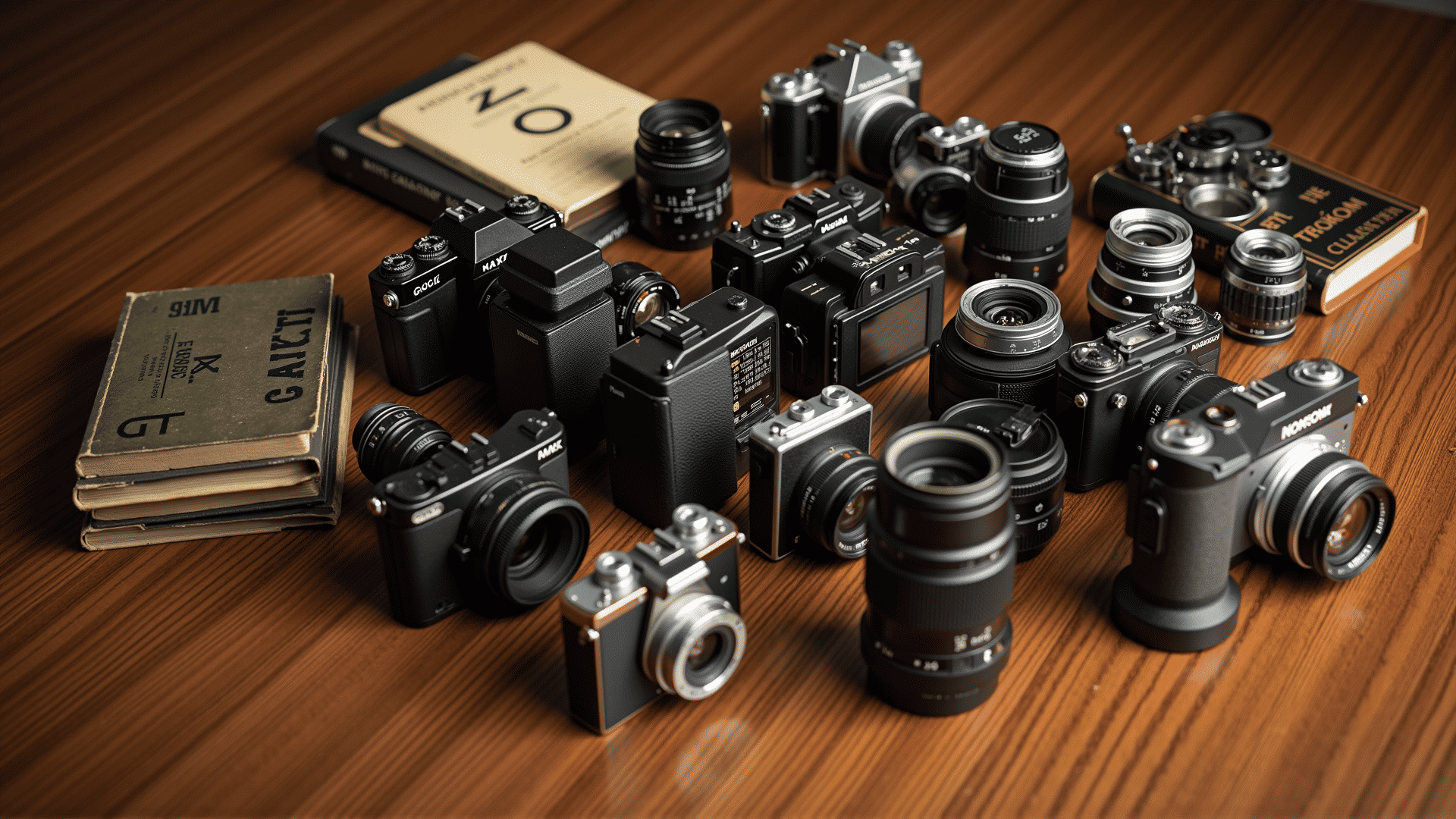
Photography is a fascinating hobby and skill that allows people to capture the world through their unique perspectives. For those new to photography, understanding the basic elements can significantly enhance the quality of their work. This guide covers fundamental camera settings and composition techniques, providing a solid foundation for beginners.
Understanding Your Camera
-
Aperture:
- Aperture refers to the size of the opening in your camera's lens. It controls the amount of light that reaches the camera sensor.
- Measured in f-stops, a lower f-stop number represents a wider aperture, allowing more light in and creating a shallow depth of field which results in a blurred background.
- Ideal for portraits and artistic shots.
-
Shutter Speed:
- This setting determines how long the camera shutter remains open to expose light to the sensor.
- A fast shutter speed freezes motion, making it perfect for capturing action shots.
- A slower shutter speed is useful for low-light conditions or to create motion blur, such as flowing water.
-
ISO:
- ISO measures the camera sensor's sensitivity to light. A lower ISO is best for bright conditions, while a higher ISO is useful in darker settings.
- However, a high ISO can introduce noise or grain into the photograph. Balancing ISO with aperture and shutter speed is key.
-
White Balance:
- This setting adjusts color tones in your images, ensuring that the whites appear neutral without color casts.
- Different settings like Daylight, Cloudy, and Tungsten accommodate various lighting conditions and can enhance color accuracy.
Composition Techniques
-
Rule of Thirds:
- Imagine dividing your frame into a grid of nine equal parts. Positioning the main subject along these lines or at their intersections can create a more balanced and engaging image.
-
Leading Lines:
- Use natural lines within the photograph to guide the viewer's eyes toward the focal point. Roads, fences, and bridges often serve this purpose well.
-
Framing:
- Frame the subject using elements within the scene, such as branches or windows. This adds depth and draws attention to the subject.
-
Symmetry and Patterns:
- Capturing symmetry can create harmonious and aesthetically pleasing photos. Patterns, whether natural or man-made, can enhance visual interest.
-
Perspective:
- Experimenting with different angles and viewpoints can alter the perception of a subject. Shooting from above, below, or through objects can add a unique dimension to your photos.
Practice and Patience
Becoming proficient in photography requires practice and patience. Experiment with your camera settings and composition techniques in various lighting conditions to understand how each element impacts your images. Over time, with consistent practice, you'll develop an intuitive understanding of what works best for the style and mood you wish to convey in your photography.
By mastering these basics, beginners can significantly elevate their photography and begin to express their creativity more effectively. Whether capturing landscapes, portraits, or candid moments, the principles outlined in this guide provide a crucial starting point for any aspiring photographer.