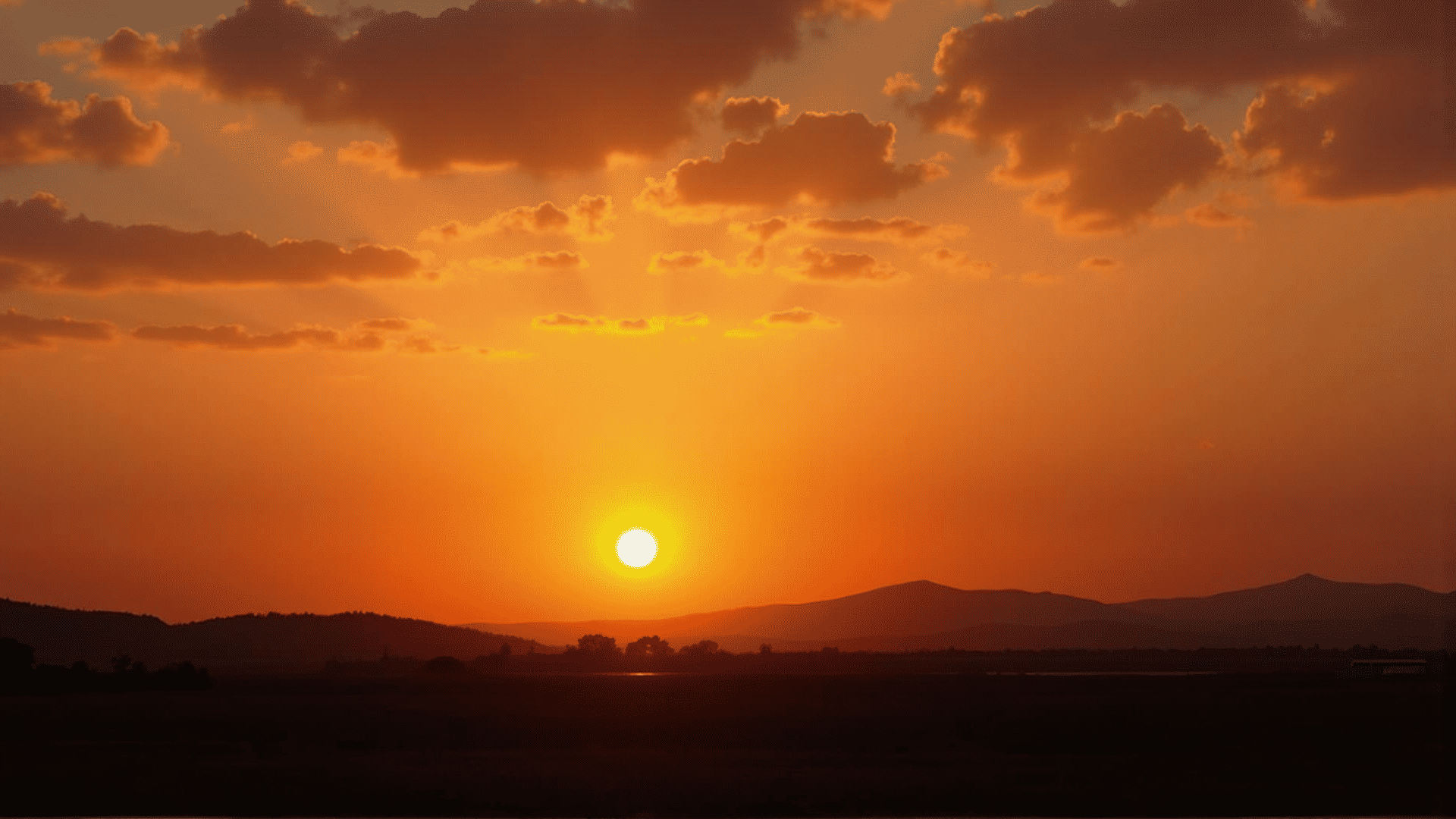
Lighting is an essential element in photography that holds the power to elevate images from the ordinary to the extraordinary. Mastering the art of lighting can dramatically impact the aesthetic quality and mood of your photographs, transforming them into captivating visual stories. Whether you're using natural sunlight or artificial sources, understanding how to manipulate light can make all the difference in your photographic endeavors.
The Magic of Natural Light
Natural light is one of the most versatile and accessible resources for photographers. Each time of day brings a distinct quality of light that can shape your images in unique ways. The golden hour, shortly after sunrise and before sunset, is renowned for its soft, warm illumination that flatters subjects and creates a dreamy ambiance. This time of day offers richer colors and softer shadows, perfect for a variety of photography styles, from portraits to landscapes.
On the other hand, the blue hour, which occurs just before sunrise and after sunset, imbues scenes with a cooler, more ethereal glow. This can be particularly effective for cityscapes and architectural shots, lending them an almost mystical quality. While midday sun tends to create harsh shadows, positioning your subject in open shade or using a reflector can help diffuse the light, ensuring a softer result.
Harnessing Artificial Light
When natural light isn’t an option, artificial lighting can be an invaluable tool in a photographer’s kit. Understanding how to use artificial sources like flash, strobes, and continuous lighting can enable you to shoot in almost any condition. Flash photography, for instance, can illuminate dark settings or enhance natural light in outdoor shoots. Mastering techniques such as bounce flash or using diffusers can prevent harsh shadows and create a more natural look.
Continuous lighting setups, such as LEDs, offer consistent illumination, allowing for fine-tuned control over shadows, highlights, and the overall mood of the image. These light sources are particularly useful in studio environments, where you can manipulate every element of the lighting scenario to achieve the desired outcome.
Blending Natural and Artificial Light
In many scenarios, combining natural and artificial light can lead to stunning results. This technique requires a keen understanding of both light sources and how they interact with each other. For example, using a flash to fill in shadows during an outdoor shoot can balance the exposure, ensuring both the subject and background are well-lit. Similarly, using artificial light to highlight specific areas in a landscape during the golden hour can create striking contrasts and visual interest.
Understanding Light Modifiers
Light modifiers are essential tools for photographers seeking to refine their lighting techniques. Reflectors, diffusers, and softboxes can all alter the quality and direction of light, offering greater control over the final image. Reflectors can bounce light back onto your subject, filling in unwanted shadows, while diffusers soften harsh light sources, creating a more even spread. Softboxes are excellent for portrait photography, providing a flattering, diffused light that enhances skin tones and softens facial features.
Conclusion
To truly harness the power of light in photography, one must be willing to experiment and practice consistently. Each scene presents its own set of challenges and opportunities, and understanding how light interacts with your subjects will greatly enhance your ability to capture stunning photographs. Whether you prefer the natural beauty of sunlight or the controlled precision of artificial setups, the key lies in observing, adapting, and continually refining your approach to lighting. As you develop your skills, you’ll discover the transformative impact light can have on your creative vision.